Introduction: A Fusion of Craft and Technology
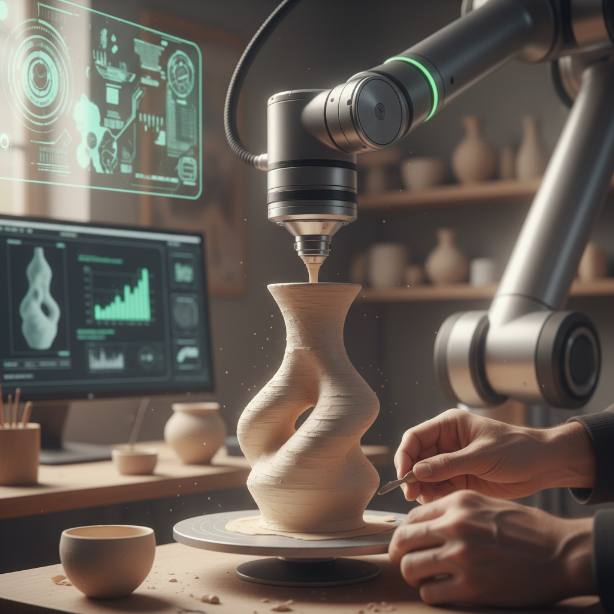
For centuries, ceramic craftsmanship has relied on manual techniques—hand-building, wheel-throwing, slip casting, and kiln firing. These methods remain at the heart of the craft, but the rise of ceramic 3D printing is transforming how workshops prototype, design, and produce complex pieces. Unlike the plastic-based 3D printing that popularized additive manufacturing, modern clay-extrusion and binder-jetting technologies allow artisans to work with real ceramic material, expanding creative possibilities without abandoning tradition.
Today, potters, sculptors, and ceramic studios are discovering that 3D printing is not a replacement for handcrafted skills but a complementary tool that enhances precision, experimentation, and artistic freedom. This shift marks a new era where digital workflows harmonize with centuries-old firing and finishing techniques.
How Ceramic 3D Printing Works
Ceramic 3D printing differs significantly from plastic printing. Rather than melting thermoplastic, printers use clay-based materials or ceramic powders depending on the technology.
1. Clay Extrusion (Most Common in Workshops)
This method uses paste-like clay pushed through a nozzle, layer by layer.
Advantages:
- Works with traditional ceramic bodies
- Ideal for sculptural forms and functional ware
- Integrates naturally with existing workshop processes
Limitations:
- Slower print speed
- Requires careful drying to avoid cracking
- Surface may show layer lines before finishing
2. Binder Jetting (Industrial and Design Studios)
A print head deposits a binding agent onto ceramic powder, creating a green part that is later sintered.
Advantages:
- Very high precision
- Smooth surfaces
- Complex internal geometries
Limitations:
- More expensive
- Requires specialized equipment and kilns
- Not ideal for small studios
3. SLA-Based Ceramic Resin Printing
Photopolymer resin mixed with ceramic particles is cured with light.
This produces highly detailed parts but is less common due to cost and handling requirements.
Why Ceramic Workshops Are Adopting Additive Manufacturing
Traditional ceramicists may initially view 3D printing with skepticism, but its practical benefits quickly become clear.
1. Enhanced Design Possibilities
3D printing allows artisans to create forms that are impossible to craft by hand, such as:
- Complex lattices
- Double-curved surfaces
- Intricate perforated patterns
- Functional objects with internal channels
Digital modeling removes physical constraints, enabling experimentation and innovation.
2. Rapid Prototyping and Iteration
Instead of sculpting the same shape repeatedly, workshops can adjust a digital file and reprint it.
This accelerates product development for:
- Tableware collections
- Architectural ceramics
- Custom molds
- Decorative objects
3. Consistency Without Mass Production
Handmade ceramics naturally vary, but some projects require replicable results.
Ceramic 3D printing provides:
- Repeatable dimensions
- Controlled wall thickness
- Predictable volume and weight
This consistency is particularly valuable for professional potters selling sets of plates, bowls, or vases.
4. Integrating Digital Skills Into Artisanal Businesses
Workshops increasingly value:
- CAD modeling
- Digital sculpting
- CNC and 3D printing
- Parametric design
These skills open new business opportunities such as custom commissions, decorative panels, and bespoke architectural elements.
Applications in Modern Ceramic Studios
Art and Sculpture
Complex freeform shapes, geometric patterns, and interlocking structures allow artists to push conceptual boundaries without relying solely on hand-building expertise.
Functional Pottery
Ceramic 3D printing is used to create:
- Cups, mugs, bowls, and vases
- Teapots with internal filtration
- Tableware with consistent dimensions
After printing, pieces are refined by hand, glazed, and fired just like traditionally crafted items.
Molds and Tooling
3D printed ceramics or plastic molds enable quick reproduction of intricate designs and improve workflow efficiency.
Architectural Ceramics
Studios print components such as:
- Facade tiles
- Light diffusers
- Decorative panels
- Ventilation blocks (mashrabiya-style)
These pieces combine functionality with artistic detail.
Education and Skill Development
Schools and training centers use ceramic 3D printing to teach both traditional craft and digital fabrication, preparing new generations of ceramic artists.
Post-Processing Still Makes All the Difference
Even when the object originates from a digital model, the finishing process remains deeply artisanal.
Smoothing and Refining
Clay prints can be refined by:
- Sponging
- Scraping
- Light trimming
- Slip coating
This removes layer lines and prepares the surface for glazing.
Drying and Firing
Printed ceramics need slower, more controlled drying due to their layered structure. Once dry, the firing process follows standard procedures, whether bisque firing or full vitrification.
Glazing
Glazes behave identically on printed and hand-built ceramics, allowing artisans to maintain their signature aesthetic.
Challenges and Limitations
Despite its advantages, ceramic 3D printing is not without hurdles.
Technical Skill Requirements
Learning CAD, slicers, and print tuning can be intimidating for traditional artisans.
Drying and Cracking Issues
Printed layers can separate if drying is uneven.
Equipment Cost
Professional ceramic printers remain more expensive than entry-level FDM machines.
Time-Intensive Workflow
Printing, drying, refining, and firing still require patience and craftsmanship.
Conclusion: Tradition Reinvented Through Innovation
Ceramic 3D printing is not replacing the artistry of handcrafted ceramics—it is expanding it. By merging digital design with centuries-old firing and glazing techniques, workshops can explore new shapes, diversify their product offerings, and develop modern creative workflows.
For many artists and potters, additive manufacturing represents a bridge between heritage and innovation, empowering them to produce complex, customizable, and visually striking pieces while keeping craftsmanship at the core.
As technology evolves and becomes more accessible, ceramic 3D printing will continue shaping the future of the craft—one layer at a time.