Design & Creation: Industry 5.0, Automation, AI, and Sustainable Processes
Introduction : Expanding the Boundaries of Material-Based Creation
Printing techniques for noble materials such as wood, ceramics, and metal represent one of the most exciting developments in contemporary fabrication. These materials have long been associated with craftsmanship, cultural heritage, and artisanal mastery. Today, digital manufacturing makes it possible to reinterpret them through advanced processes that combine precision, creativity, and technological innovation. The shift from traditional hand-based methods to hybrid and digitally assisted workflows opens new opportunities for designers, makers, and creative studios who wish to explore noble materials in new forms. This category examines how these printing techniques work, why they matter, and how they support sustainable, innovative, and culturally rich forms of creation.
Understanding Industry 5.0 and Its Influence on Creation
Industry 5.0 marks a turning point in how society approaches production and innovation. Instead of focusing solely on digital automation, it places human creativity at the core of technological development. Automation and robotics become support systems rather than replacements for human skills. Artificial intelligence assists in decision-making, optimization, and exploration without removing the intuitive dimension that defines human design. This shift encourages more balanced workflows, where human expression guides machine precision. For beginners and intermediate creators, Industry 5.0 offers a framework that encourages experimentation, interdisciplinary collaboration, and new forms of creative value. It becomes possible to imagine design as a dialogue between technological efficiency and human sensitivity.
The Evolving Role of Automation in Creative Work
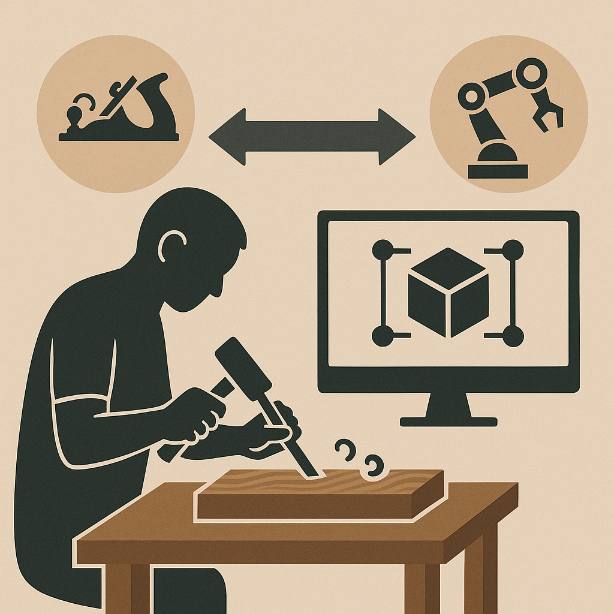
Automation once evoked fears of replacing artisans, designers, and makers. Today it is increasingly understood as a powerful ally. Modern automated systems handle repetitive, heavy, or highly precise operations that would otherwise limit a creator’s ability to innovate. Instead of competing with human craft, automation allows creators to focus on ideation, aesthetic refinement, and intentional decision-making.
The repetitive tasks become managed by machines, while the expressive and interpretive aspects remain in human hands. This division of responsibilities supports higher productivity without diminishing artistic value. It also enables small studios and independent makers to access production capabilities that were once restricted to large factories. The result is a more equitable creative environment where individuals and small teams can scale their ideas without compromising their vision.
A.I as a Catalyst for Creative Exploration
Artificial intelligence plays a transformative role in the early phases of design. It assists with idea generation, form exploration, structural optimization, and environmental analysis. Instead of replacing creativity, AI multiplies the number of possibilities that creators can consider. A designer can test variations rapidly, visualize outcomes instantly, and navigate complex design decisions with more confidence. This acceleration of exploration encourages experimentation, even for those who may not have years of technical experience.
AI also helps develop more sustainable solutions by analyzing the ecological impact of materials, suggesting efficient geometries, and predicting how a design will behave in different contexts. Through these capabilities, AI supports a new form of creative intelligence where human imagination guides the process and the machine amplifies the designer’s capacity to explore.

Sustainable Processes at the Heart of Modern Creation
Sustainability is no longer an optional consideration in design and production. It has become a central expectation across industries, affecting how materials are chosen, how objects are made, and how products live throughout their lifecycle. Traditional industrial models were built around extraction, mass consumption, and disposability. The contemporary approach shifts toward circularity, resource efficiency, and long-term environmental responsibility. Sustainable processes encourage creators to rethink material use, reduce waste, and prioritize regenerative methods.
Additive manufacturing reduces offcuts by building forms layer by layer. Digital simulations replace multiple physical prototypes. Designers revisit traditional craft methods to understand low-impact practices developed long before industrial systems existed. By combining heritage techniques with digital tools, creators find environmentally responsible solutions that maintain both aesthetic and cultural value.
Why This Theme Is Critical for Today’s Designers and Makers
Understanding the connections among Industry 5.0, automation, AI, and sustainability is essential for anyone entering or evolving within the world of creation. Creative fields are becoming increasingly hybrid, requiring fluency in both digital and manual practices. Without this understanding, emerging creators risk designing in ways that are outdated, unsustainable, or disconnected from the expectations of modern audiences.
This category helps designers appreciate how these forces work together and why responsible creation is not just a trend but a long-term necessity. It encourages new creators to consider how technology can support rather than overshadow their identity, how sustainability can guide their material decisions, and how human insight remains central even in highly automated environments.
The Importance of Human-Centered Innovation
As technology advances, human creativity becomes more valuable, not less. Industry 5.0 acknowledges that emotional intelligence, intuition, cultural understanding, and artistic sensitivity cannot be automated. These qualities give design its meaning and allow creators to develop work that resonates with people on a deeper level. Machines excel at consistency and efficiency, but it is the human element that builds connection, authenticity, and purpose. In this context, creators must learn how to integrate advanced tools while maintaining their unique perspectives. This category highlights why human-centered innovation is essential for navigating an increasingly complex world driven by technology.
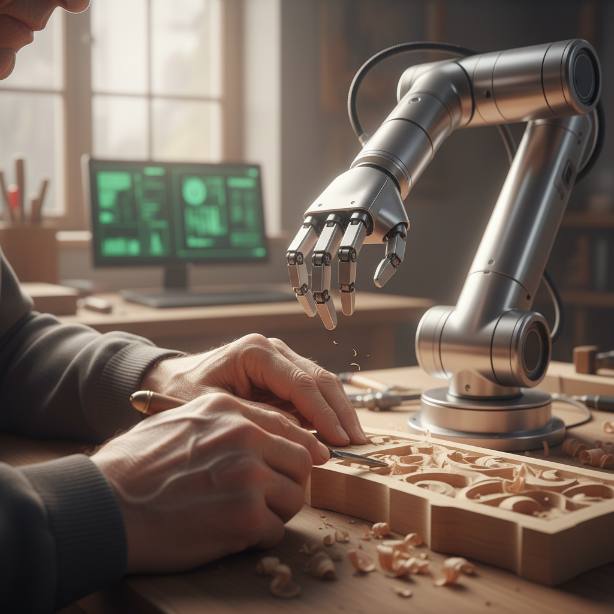
Industry 5.0: Rehumanizing Production Through Human–Machine Collaboration
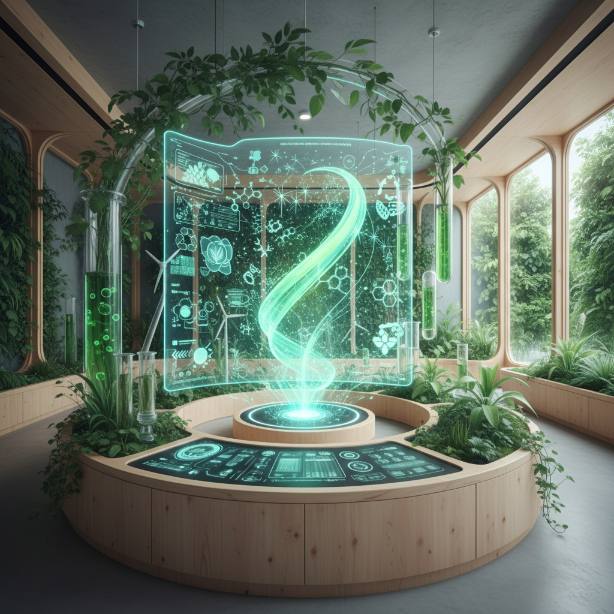
From Design to Sustainable Manufacturing: Automating Without Compromising Creative Identity
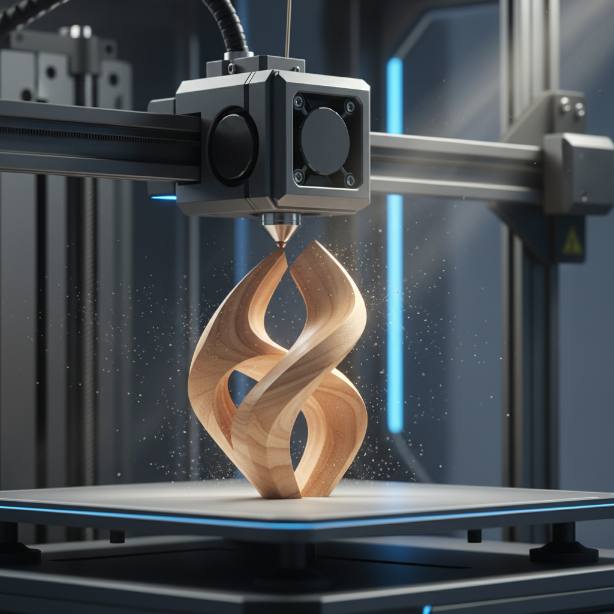
Smart Automation Tools for Small Creative Studios and Independent Makers
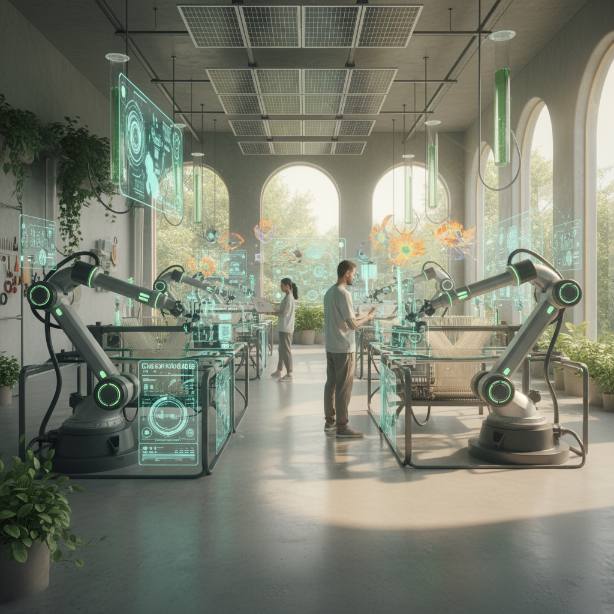
Eco-Design Enhanced by AI: New Strategies to Reduce Environmental Impact from the Start
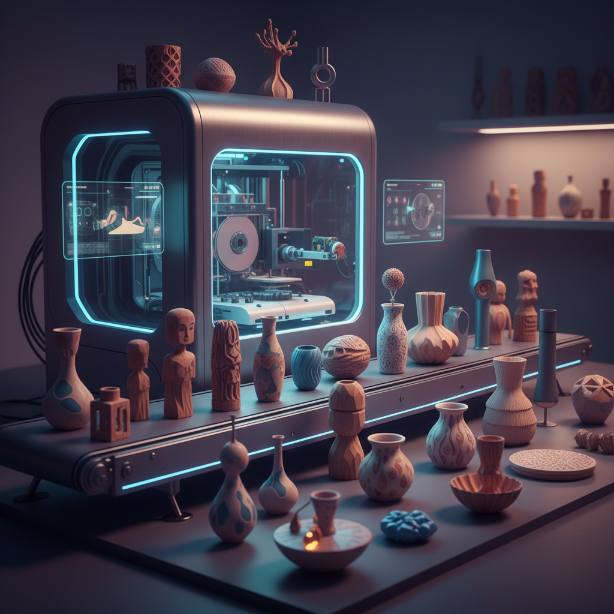
Balancing Technology With Craft in Contemporary Creation
A central theme within this category is the coexistence of digital and manual methods. Modern creative workflows rarely rely exclusively on one or the other. Instead, they form hybrid practices where each approach enriches the other. Digital tools provide precision and speed, while craft techniques offer depth, tactility, and authenticity.
The challenge for creators is learning how to harmonize these dimensions without losing the integrity of their work. This balance allows for innovative forms that are technologically advanced yet still rooted in human skill. It also ensures that automation does not erase traditional know-how but rather provides new opportunities for its evolution.
A Landscape of New Opportunities for Beginners and Intermediate Creators
The convergence of Industry 5.0, automation, artificial intelligence, and sustainable processes creates a fertile environment for creativity. Beginners gain access to tools that were once too advanced or too costly. Intermediate creators find new pathways to refine their methods and explore more ambitious ideas.
Digital fabrication laboratories, accessible AI-driven tools, and sustainable material options give creators the flexibility to work in ways that are both innovative and responsible. This category guides readers through these emerging possibilities, helping them understand how to integrate new technologies without compromising their artistic authenticity or ecological values.