
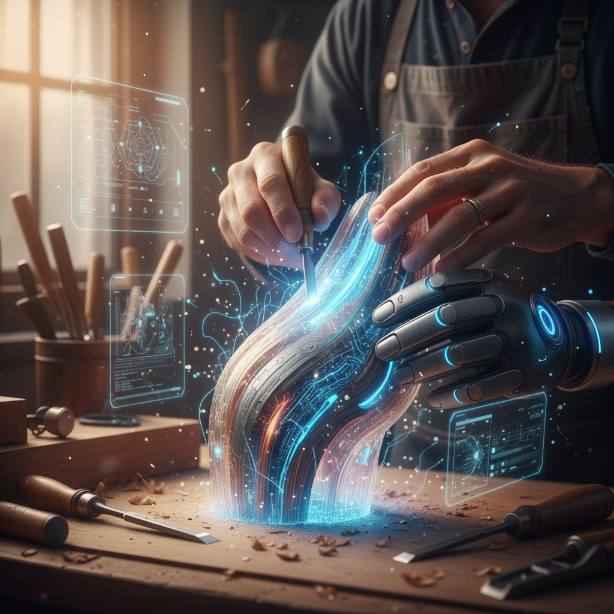
Introduction: When Craftsmanship Meets High-Tech Innovation
Metal additive manufacturing—once reserved for aerospace and industrial engineering—has rapidly become a powerful tool for luxury designers, artisans, and high-end creators. This shift marks a turning point in how jewelry, fashion accessories, collectible art pieces, and bespoke objects are imagined and produced.
By enabling forms previously impossible with traditional metalworking, metal 3D printing allows artisans to combine precision engineering with artistic expression, opening the door to new levels of creative freedom. Today, the workshops crafting fine jewelry and luxury design objects are embracing metal additive manufacturing not as a replacement for artistry, but as an innovative extension of it.
What Is Metal Additive Manufacturing?
Metal additive manufacturing (Metal AM) refers to a group of 3D printing technologies that build objects layer by layer using powdered metals. Unlike subtractive methods—where material is removed—AM precisely adds only what is needed, enabling intricate geometries and material efficiency.
Common Metal AM Technologies Used in Design and Luxury
1. Direct Metal Laser Sintering (DMLS)
A laser fuses fine metal powder into dense, durable layers.
- High precision
- Excellent for jewelry and watchmaking
- Supports complex internal structures
2. Selective Laser Melting (SLM)
Similar to DMLS but using higher temperatures for full melting, producing parts with mechanical strength comparable to cast metal.
- Ideal for functional components in fashion hardware or bespoke accessories
3. Binder Jetting
A binder selectively glues metal powder before sintering.
- Faster and cost-effective
- Excellent for decorative objects and luxury prototypes
4. Lost-Wax 3D Printed Casting
3D printed wax models are used for investment casting.
- Perfect for fine details
- Compatible with gold, silver, brass, bronze, and platinum
Each method supports different artistic goals, from hyper-detailed jewelry pieces to architectural-grade metal sculptures.
Why Metal Additive Manufacturing Is Transforming Luxury Craft
Metal AM provides a powerful toolkit for artisans seeking innovation without compromising craftsmanship.
1. Freedom to Design Without Traditional Constraints
Metal 3D printing allows creators to produce geometries that would be impossible—or extremely costly—using manual or subtractive methods. Examples include:
- Lattice structures
- Organic shapes and fluid curves
- Interlocking elements
- Lightweight hollow interiors
- Complex engravings or micro-details
Designers can explore shapes once only seen in digital art or conceptual sketches.
2. Rapid Prototyping for High-End Creations
Before additive manufacturing, prototyping a metal object could require:
- Creating molds
- Engaging specialized metalworkers
- Weeks or months of revisions
Metal AM now enables:
- Faster iterations
- Realistic prototypes in the final material
- Immediate adjustments to digital files
This drastically shortens development cycles for jewelry collections, watch parts, accessories, and limited-edition art pieces.
3. Mass Customization and Personalization
Luxury clients often seek unique, bespoke items. Metal AM offers built-in flexibility:
- Custom engravings
- Tailored dimensions
- Personalized structural patterns
- Made-to-order components
Designers can maintain exclusivity while scaling production efficiently.
4. Sustainability and Material Efficiency
Additive methods use only the metal required for the object, reducing waste compared to traditional machining. Metal powders can also be reclaimed and reused, aligning well with the sustainability goals of many luxury brands.
Applications in the World of Design and Artisanal Luxury
High-End Jewelry
Metal AM enables pieces with astonishing detail, including:
- Lightweight filigrees
- Organic and biomimetic structures
- Intricate hollows that reduce material cost
- Multi-material inlays
Many modern jewelers now pair 3D printing with hand-finishing to preserve a human touch.
Luxury Watches and Horology
Additive manufacturing supports the creation of:
- Skeletonized components
- Decorated bridges and plates
- Lightweight structural parts
- One-off prototypes for collectors
Watchmakers can experiment with advanced alloys unavailable in traditional micro-machining.
Fashion Accessories and Hardware
Metal 3D printing is increasingly used for:
- High-end buckles
- Bag hardware
- Avant-garde wearable sculptures
- Custom clasps and fasteners
Designers can produce unique textures, logos, and shapes that elevate brand identity.
Sculpture and Collectible Art
Artists leverage metal AM to build:
- Complex forms with internal supports
- Large-scale modular sculptures
- Parametric, algorithm-driven artworks
- Limited-edition collectible pieces
The fusion of digital modeling and metal craftsmanship creates new contemporary art languages.
Interior and Architectural Details
From decorative panels to bespoke fixtures, metal AM enables rich ornamental designs for luxury interiors.
Post-Processing: Where Craftsmanship Comes Back to Life
Even with advanced printing technologies, the finishing phase remains essential for luxury results.
1. Polishing and Surface Treatment
Techniques include:
- Mirror polishing
- Satin brushing
- Stone tumbling
- Texturing
These steps refine the print and bring out the metal’s brilliance.
2. Traditional Craftsmanship Integration
Metal AM pieces often undergo:
- Hand engraving
- Micro-setting of stones
- Welding or assembly
- Patination or plating
The combination of digital precision and artisanal finishing ensures uniqueness and authenticity.
3. Heat Treatment and Sintering
Used to strengthen the metal, relieve stress, and finalize its mechanical and aesthetic properties.
Limitations to Consider
Though revolutionary, metal AM has boundaries.
- High entry cost for printers and specialized equipment
- Long printing times for detailed or large pieces
- Post-processing required to achieve luxury standards
- Material and design constraints, depending on the technology
For many artisans, outsourcing printing to specialized service bureaus is the most practical option.
Conclusion: A New Era for Luxury Designers and Artisans
Metal additive manufacturing is not replacing traditional metalworking—it is enhancing it. Designers and luxury artisans now have unprecedented control over geometry, detail, and customization. The combination of digital design, fine metal powders, and advanced laser sintering is giving birth to a new breed of luxury objects: expressive, technical, precise, and deeply original. As accessibility increases and materials improve, metal AM will continue to reshape the world of high-end design. The future of luxury craftsmanship lies at the intersection of innovation and tradition, where artistry and technology work together to create timeless, extraordinary pieces.