Introduction: The Search for Balance Between Efficiency and Humanity
As automation, robotics, and AI continue to transform manufacturing and design, a critical question emerges across industries: What human skills remain irreplaceable?
While machines excel at speed, precision, and repetition, they still struggle with intuition, empathy, nuance, and creative judgment—the very qualities that define craftsmanship. Today, industries are not replacing human expertise; they are recognizing what only humans can contribute, and designing systems that highlight those strengths.
Reconciliation between craft and industry is not about choosing one over the other. It is about understanding how technology can elevate human skills that remain essential, timeless, and unmatched.
Why Craft and Industry Need Each Other
Industry seeks efficiency, scalability, and consistency. Craft emphasizes individuality, sensitivity, and meaning. Historically, these values were viewed as incompatible, but modern production models—Industry 5.0, hybrid fabrication, and on-demand manufacturing—are now combining the best of both.
What industry gains from craft:
- Creative differentiation
- Emotional and cultural value
- Higher-quality finishing
- Human-centered design insights
What craft gains from industry:
- Stability and scalability
- Digital support tools
- Precision and repeatability
- Access to broader markets
The future belongs to businesses that harmonize both worlds rather than separating them.
The Human Skills Technology Cannot Replace
1. Creativity and Imagination
AI can generate variations, but it cannot replace the originating spark of human creativity.
Design intuition—choosing what feels right, aesthetically meaningful, or culturally relevant—remains uniquely human.
Humans excel at:
- Inventing new visual languages
- Making emotional design choices
- Developing symbolic and cultural meaning
- Breaking rules intentionally
- Reimagining what a product can be
Machines can support, but not initiate, this kind of invention.
2. Sensory Intelligence and Material Sensitivity
Craftspeople possess a deep, embodied understanding of materials: how wood reacts to humidity, how clay collapses under too much pressure, how metal responds to heat.
This sensory intelligence includes:
- Tactile perception
- Subtle pressure adjustments
- Real-time corrections
- Intuitive reading of texture, smell, sound, and resistance
Such sensory nuance is extremely difficult to encode into algorithms.
3. Judgment, Taste, and Aesthetic Curatorship
Designers make decisions based on cultural awareness, emotion, and personal style. Taste—the ability to evaluate and refine—is not programmable.
Machines cannot replicate:
- Emotional resonance
- Cultural literacy
- Personal craftsmanship style
- Artistic intentionality
- Ethical or symbolic decisions
Industrial workflows increasingly depend on human aesthetic curatorship to differentiate products in saturated markets.
4. Problem-Solving in Ambiguous or Unpredictable Situations
Craftspeople are exceptional at adapting processes when materials behave unexpectedly.
In contrast, automated systems perform best in predictable conditions.
Human adaptability includes:
- Making judgment calls
- Fixing unexpected errors
- Reworking designs in real time
- Improvising solutions
- Applying decades of tacit knowledge
This flexibility is vital for prototyping, custom production, and creative manufacturing.
5. Emotional Connection, Storytelling, and Cultural Meaning
Consumers increasingly value authenticity, narrative, and humanity. Craft-oriented brands grow because they offer something that automated production cannot: emotional depth.
Irreplaceable human contributions include:
- Storytelling through objects
- Cultural heritage and identity
- Handmade signatures and imperfections
- Personal relationships with clients
- Meaningful expressions of time and care
No machine can replicate emotional significance.
6. Mentorship, Teaching, and Craft Transmission
Craft is transmitted through relationships—master to apprentice, generation to generation. Even with digital archives and VR training, the role of a human mentor remains essential.
Human transmission offers:
- Encouragement and emotional support
- Personal feedback
- Values, ethics, and philosophy
- Interpretation of subtle gestures
- Correction based on intuition
This relational dimension cannot be automated.
7. Ethical Judgment and Human Responsibility
Industrial decisions increasingly involve ecological, social, and cultural impacts. Humans remain necessary for responsible decision-making, such as:
- Choosing sustainable materials
- Balancing efficiency with craft values
- Ensuring fair labor practices
- Respecting cultural heritage
Ethics require empathy and foresight—qualities algorithms cannot emulate.
How Industry Can Support and Preserve Irreplaceable Skills
1. Designing Human-Centered Production Systems
Industry 5.0 calls for automation that enhances human craft instead of replacing it. This includes:
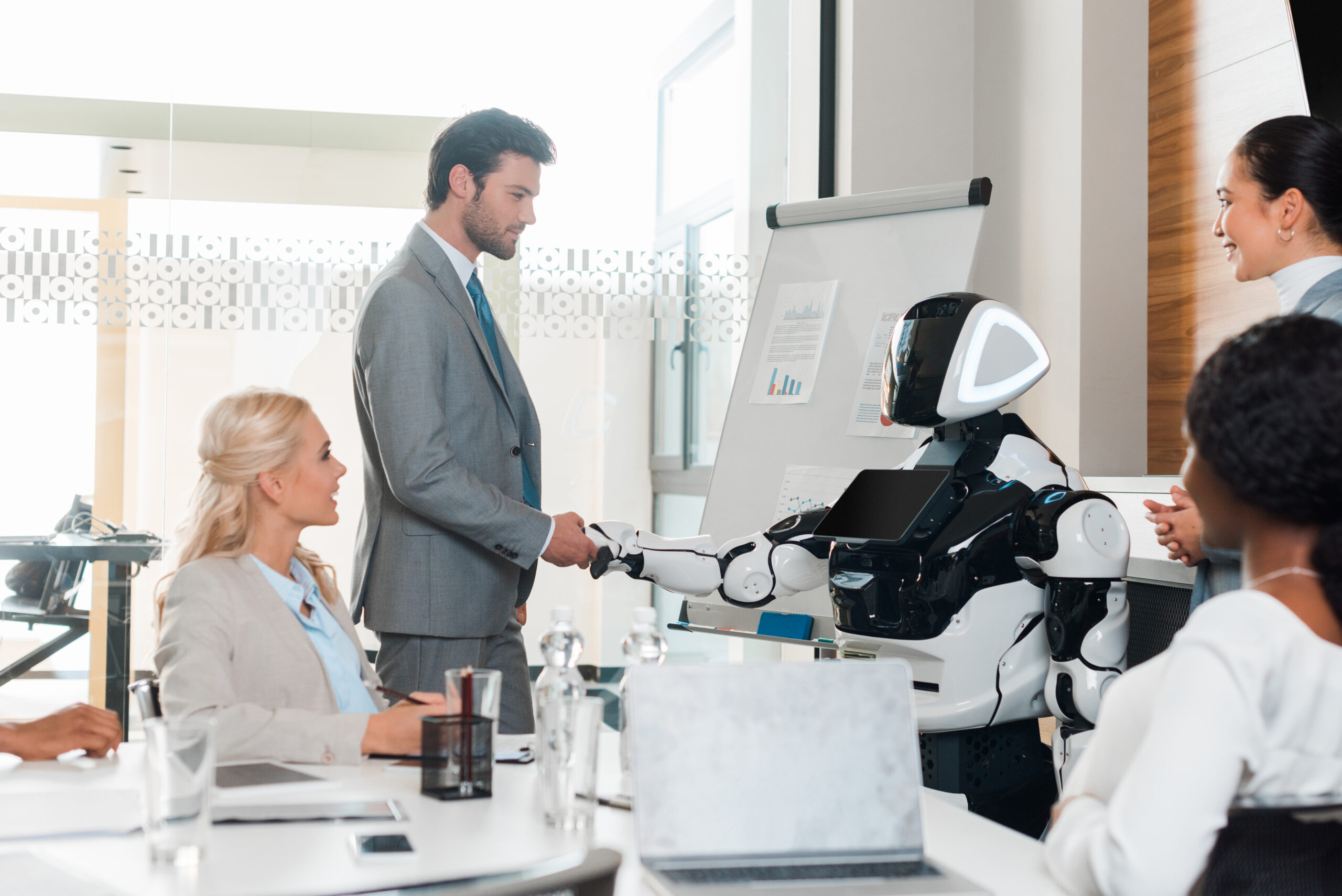
- Cobots supporting artisans
- AI assisting with design variations
- Smart machines handling repetitive or hazardous tasks
Humans remain the creative decision-makers.
2. Digitizing Knowledge Without Dehumanizing It
Technologies such as 3D scanning, VR training, and digital archives preserve gestures and craftsmanship—but as tools, not substitutes.
Digital preservation strengthens:
- Historical knowledge
- Access to rare techniques
- Training efficiency
- Future-proofing craft traditions
3. Encouraging Hybrid Crafting Workflows
Combining digital fabrication with hand-finishing keeps craftsmanship central while expanding creative possibilities.
Hybrid workflows maintain:
- Human expression
- Material sensitivity
- Aesthetic judgment
- Signature styles
Technology provides structure; the human hand gives soul.
Conclusion: Craft and Industry Thrive Together
Reconciling craft and industry is not a question of survival—it is a question of symbiosis. While machines handle precision, repetition, and optimization, humans bring creativity, intuition, cultural identity, and emotional meaning. These skills are irreplaceable, unprogrammable, and essential to the future of production.
The most successful companies and makers will be those who embrace this duality—using technology to amplify human strengths, not overshadow them.
In the era of Craftsmanship 2.0, the future of industry is both automated and profoundly human.