
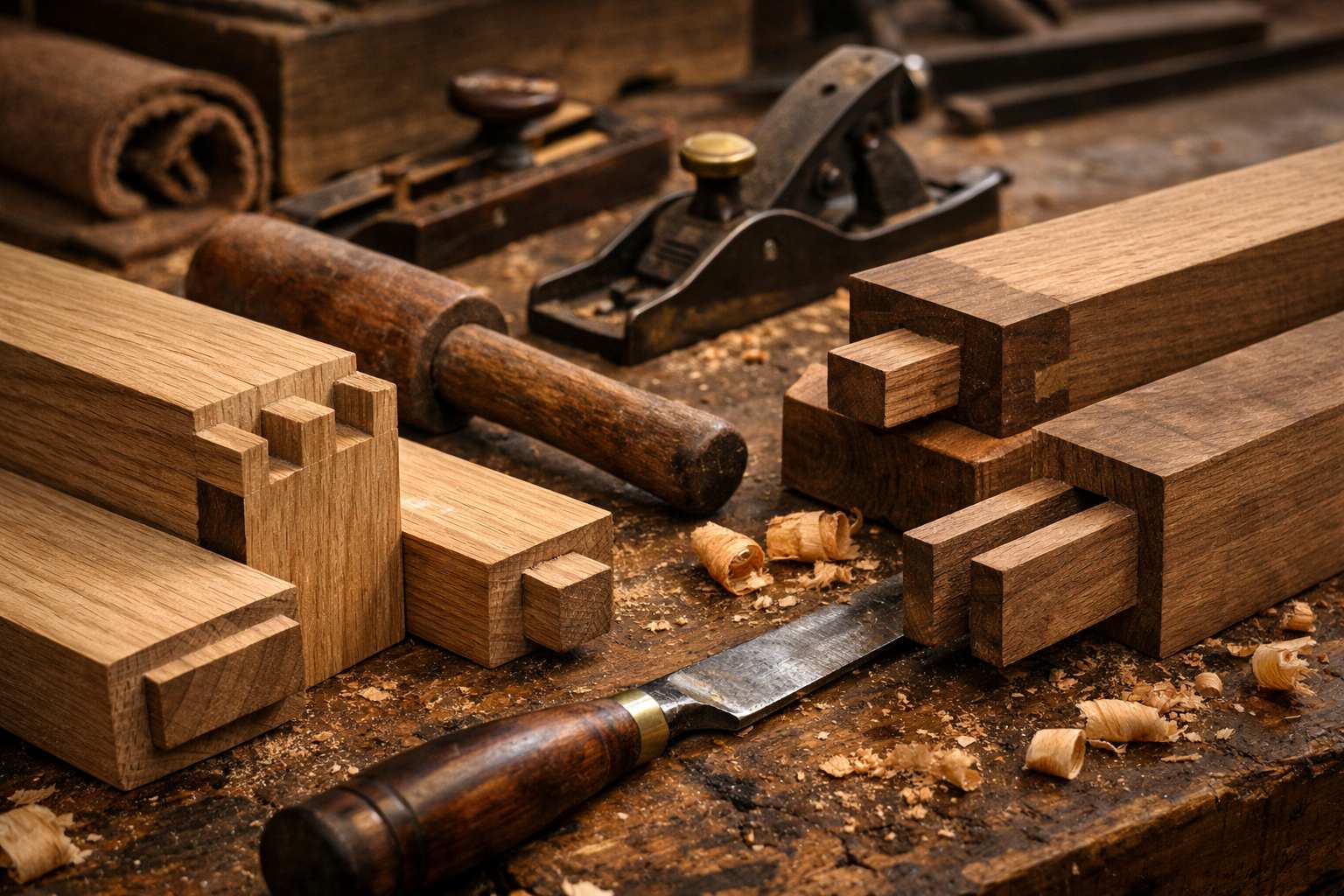
In a world filled with synthetic materials and mass-produced items, the timeless art of wood joinery stands as a testament to the skill and craftsmanship of yesteryears. Even in today’s modern world, the intricate techniques of joinery remain relevant, not only for their aesthetic appeal but for the exceptional strength and durability they bring to furniture and structures As we delve into this craft, we unlock the secrets that have been passed down through generations, ensuring that these age-old practices continue to thrive. To explore more resources and techniques, click here. Let’s explore the fascinating world of wood joinery and discover how these techniques still matter today.
Beyond its technical aspects, wood joinery also represents a deep cultural heritage. Many traditional methods originate from centuries-old practices developed across different regions of the world, each bringing its own identity and craftsmanship style. Dedicated craftsmen and passionate woodworkers, such as those at Noirclerc woodworking, keep this cultural richness alive by honoring ancestral techniques while adapting them to contemporary needs. This cultural richness adds another layer of value to joinery, making each creation not just functional, but meaningful.
Understanding the Essentials of Joinery
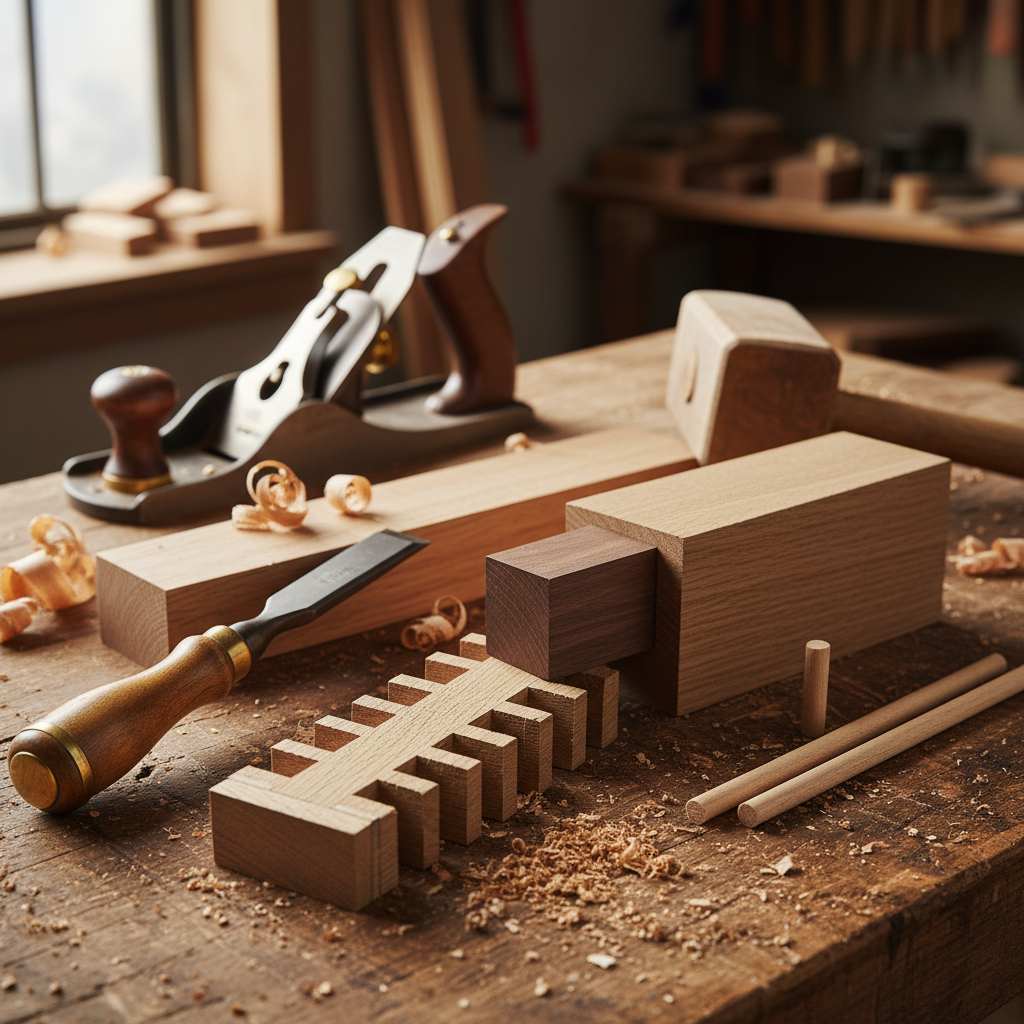
Joinery is the craft of connecting pieces of wood together to create furniture, structures, or decorative items. This practice has been honed over centuries, with each technique branching out into a unique art form. From the essential dovetail to the resilient tenon, these joinery types have stood the test of time due to their functionality and visual appeal.
- The Role of Joints in Woodworking The heart of woodworking lies in the joints. These are the critical components that determine the furniture’s strength and longevity. Joints like the butt and tenon are integral in making wooden constructions that are not only sturdy but also visually appealing.
- Tools of the Trade To master the art of joinery, one must become familiar with the essential tools: chisels, saws, and planes. Each tool plays a specific role in creating precise, durable joints that withstand the test of time.
- The Learning Curve and Dedication Aspiring woodworkers—the path to mastering joinery requires dedication and patience. The journey from novice to expert involves continuous learning, practice, and a keen eye for detail. The reward lies in creating something tangible and lasting.
Exploring the Types of Wood Joints
With a myriad of joinery techniques at your disposal, each joint offers its unique advantages, addressing specific needs in furniture making and woodworking.
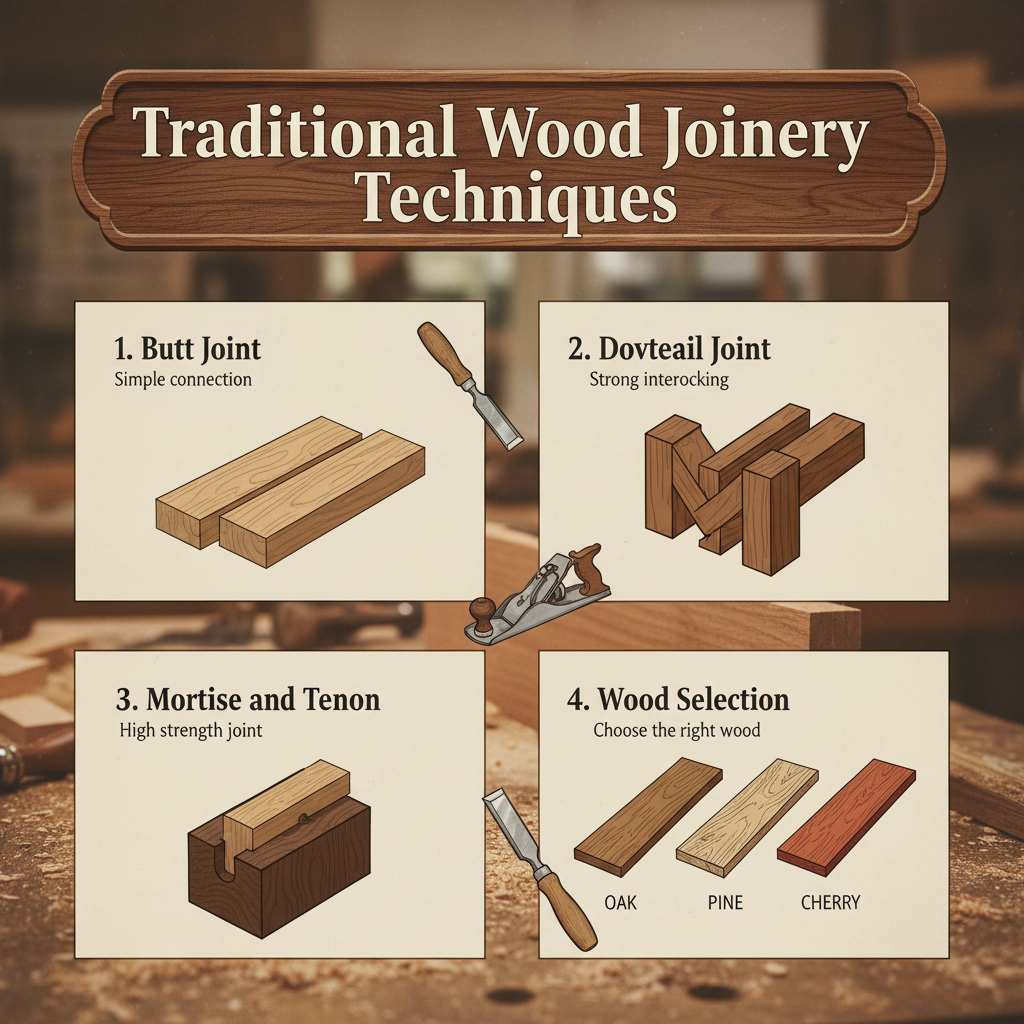
- Butt Joints: Simplicity at Its Best The butt joint is the simplest form, where two pieces of wood are joined at the ends using nails or glue. Despite its simplicity, it requires precision to ensure stability and alignment.
- Dovetail Joints: An Artful Intersection Renowned for its interlocking design, the dovetail joint is a testament to a craftsman’s skill. It is often used in drawers and boxes, providing a blend of aesthetics and strength.
- Mortise and Tenon: The Classic Duo The tenon joint pairs with a mortise to form one of the strongest connections in joinery. Whether in table legs or door frames, this technique provides durability and a clean finish.
- The Role of Wood Selection The choice of wood is pivotal. Selecting the right type of wood, whether oak for its hardness or pine for its softness, can influence the outcome of your work. Each wood type interacts differently, influencing the making process and the final product’s quality.
In addition to selecting the right wood species, moisture content and grain direction must also be considered. Wood naturally expands and contracts depending on environmental conditions, and understanding these behaviors helps prevent cracks, warping, or joint failure over time. Skilled craftsmen always anticipate these variations when designing and assembling their pieces.
Why These Techniques Endure
Why, in a world of modern machinery and materials, do we still find ourselves fascinated by traditional wood joinery? The answer lies in the inherent value these techniques provide.
- Sustainability and Tradition Using age-old methods promotes sustainable practices, as they often require minimal resources and create minimal waste. It allows us to connect with tradition, preserving the art of woodworking for future generations.
- Quality Over Quantity Handcrafted joints offer a quality unmatched by mass-produced items. Each piece tells a story, reflecting the artisan’s dedication and expertise.
- Versatility and Adaptability Traditional joinery techniques are versatile, adapting to various furniture styles and designs. They are the backbone of both contemporary and classic pieces, allowing for endless possibilities in creation.
- The Human Touch In an era focused on digital advancement, the tactile experience of woodworking provides a refreshing break. It’s an opportunity to engage with materials directly, creating something uniquely human.
Additionally, mastering wood joinery also involves understanding the importance of precision and measurement. Even the smallest miscalculation can affect the stability and appearance of a finished piece. This is why experienced craftsmen rely on detailed planning, careful marking, and repeated adjustments throughout the process. Accuracy is not just a technical requirement—it is a fundamental principle that defines the quality of the final result.
Another key aspect lies in the finishing process. Once the joints are assembled, sanding, sealing, and finishing treatments play a crucial role in enhancing both durability and aesthetics. Oils, varnishes, or waxes not only protect the wood from moisture and wear but also highlight the natural grain and texture, giving each piece a unique character. A well-finished joint can elevate a simple structure into a refined and elegant creation.
Finally, learning traditional joinery techniques can also open the door to creativity and customization. Unlike industrial production, handcrafted joinery allows for complete flexibility in design, dimensions, and details. This freedom enables craftsmen and enthusiasts alike to create truly one-of-a-kind pieces tailored to specific needs and personal tastes.
Moreover, traditional joinery techniques are increasingly being rediscovered by modern designers and architects who seek authenticity and durability in their projects. By combining traditional craftsmanship with contemporary design, they create unique pieces that stand out in a world of standardized production.
As we navigate through the complexities of modern life, it is crucial to remember and celebrate the traditional techniques that continue to enrich our world. Wood joinery, with its rich history and profound impact, exemplifies this beautifully. By embracing these methods, we honor the craftsmen of the past while forging a path toward an innovative future. With each joint crafted, we contribute to a legacy of artistry, innovation, and enduring beauty that transcends time.