Safeguarding Traditional Know-How in the Age of Industrialization and Robotics
Introduction: Preserving Human Intelligence in a Machine-Driven Era
Safeguarding traditional know-how in the age of industrialization and robotics has become a vital cultural, creative, and economic priority. As robots, automated systems, and artificial intelligence reshape production across the world, many of the gestures, techniques, and forms of embodied knowledge developed over generations risk disappearing. Traditional know-how is not simply a set of old methods but a living form of human intelligence expressed through hands, materials, and culturally embedded processes.
Industrial and robotic systems excel at efficiency, speed, and precision. However, this progress often sidelines manual expertise, placing ancestral techniques in a fragile position. The mission of this category is to explain why traditional know-how matters, how it enriches contemporary creation, and why protecting it remains essential in a rapidly evolving technological landscape.
Understanding the Depth of Traditional Know-How
Traditional know-how is rooted in human experience. It consists of intuitive gestures, sensory understanding, and tacit decision-making that cannot easily be documented or digitized. When an artisan shapes clay, engraves metal, weaves fibers, or carves wood, they draw on knowledge absorbed from mentors, communities, and years of attentive practice. This knowledge exists in motion, rhythm, and responsiveness to material behavior.
Industrialization introduced a radically different paradigm, where standardization replaced intuition and efficiency replaced variation. Robotics pushed this transformation further by automating tasks that once required skilled hands. Although this evolution has enormous benefits, it also reveals the fragility of knowledge that only lives through direct transmission.
If the last practitioners of a technique retire without successors, the technique vanishes entirely. Understanding this reality is essential for recognizing why safeguarding traditional know-how is more urgent than ever.
Why Traditional Know-How Matters Culturally
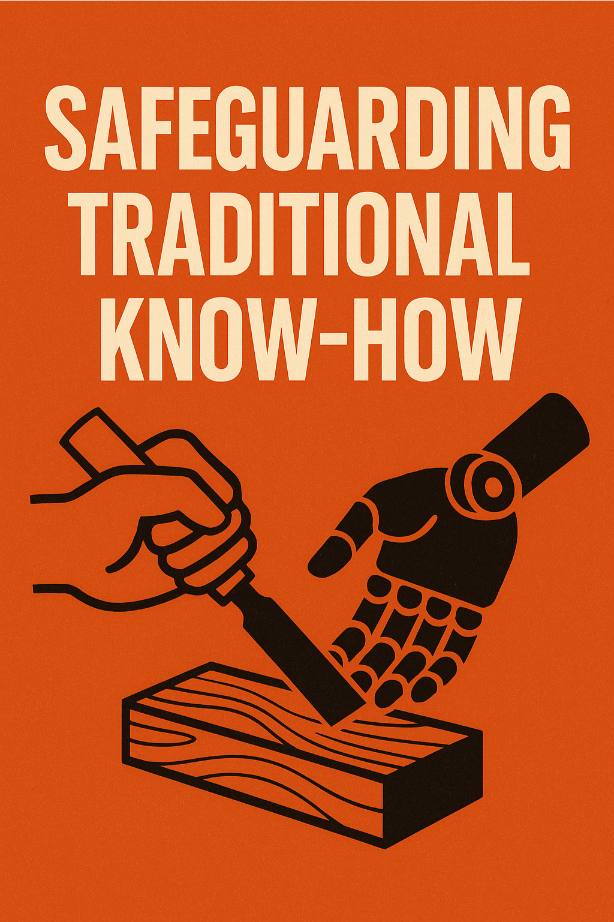
Traditional know-how carries the stories, values, and identities of communities. Each gesture reflects cultural memory and the way people have interacted with their environment over centuries. When a technique is lost, the disappearance goes far beyond the craft itself. Entire narratives linked to local traditions, rituals, and social bonds fade with it.
In a globalized world where products become increasingly homogeneous, traditional practices offer diversity, authenticity, and depth. They preserve regional identities and reinforce cultural resilience. safeguarding these techniques ensures that the cultural richness of human societies does not disappear beneath the uniformity imposed by industrial systems. This is particularly important for younger generations seeking meaning and connection in the objects they use and the creative paths they follow.
Why Traditional Know-How Matters Economically
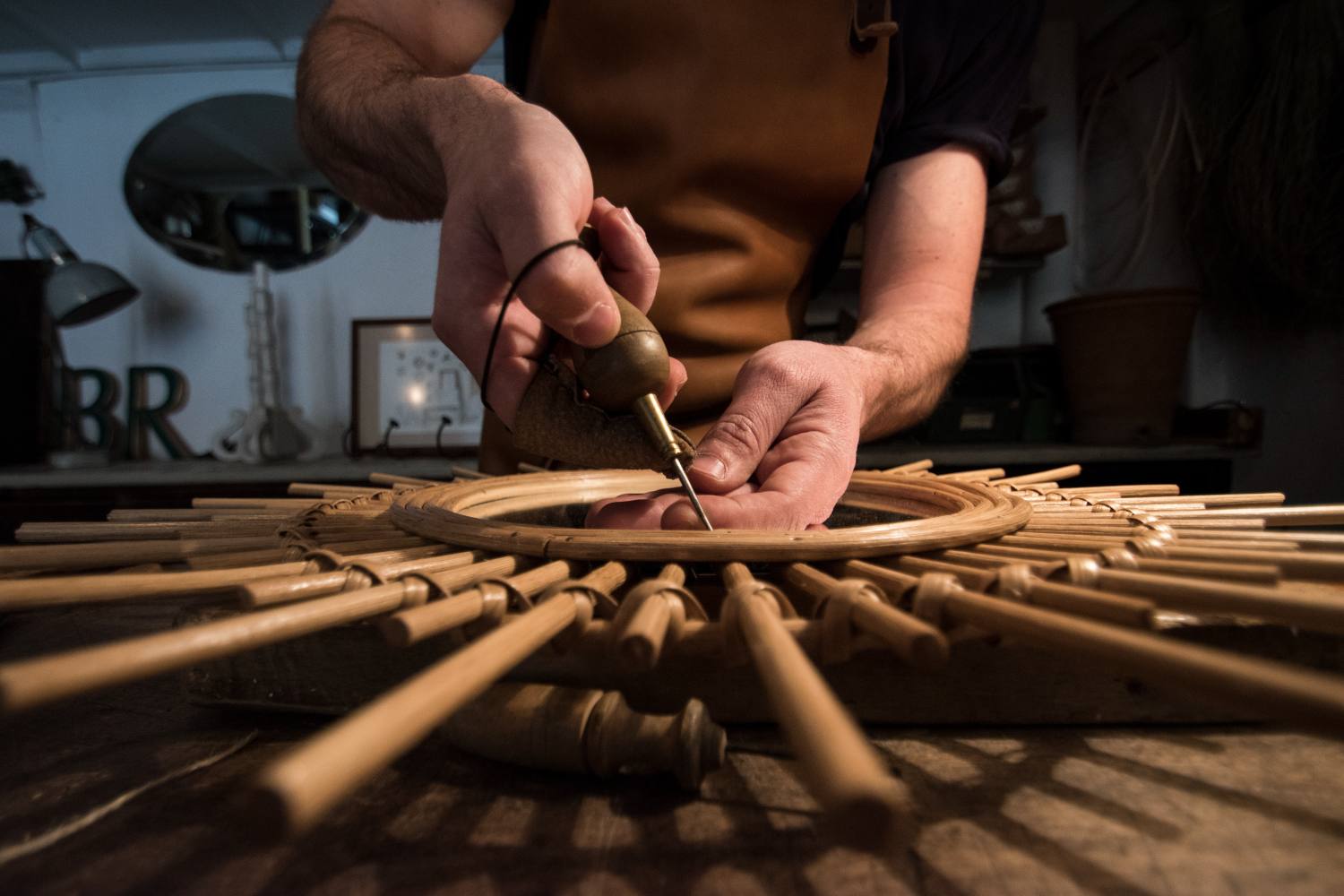
Protecting traditional know-how is not limited to cultural preservation. It is also an economic opportunity. Consumers increasingly seek authenticity, craftsmanship, and products with a story. Artisans and small studios that maintain traditional techniques often operate in markets where emotional value matters as much as functional value. When industrialization produces millions of identical objects, handcrafted work stands out because it carries human presence.
Industrial systems can imitate appearances, but not the sensibility behind the work. As markets shift toward customization, limited editions, and sustainable production, traditional know-how becomes a powerful differentiator. Designers and creators who understand heritage techniques can develop unique hybrid products that combine modern efficiency with handcrafted detail.
This category highlights how preserving know-how can lead to new business models and creative opportunities rather than becoming an obstacle to technological progress.
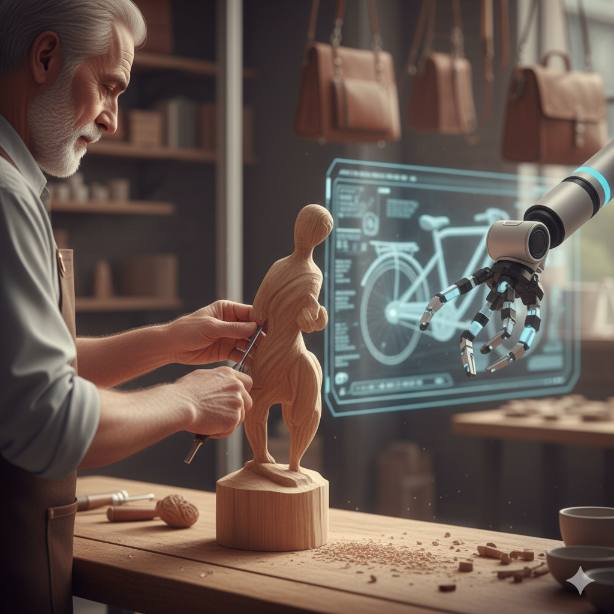
Craftsmanship 2.0: How Digital Technologies Protect Rather Than Replace Traditional Skills
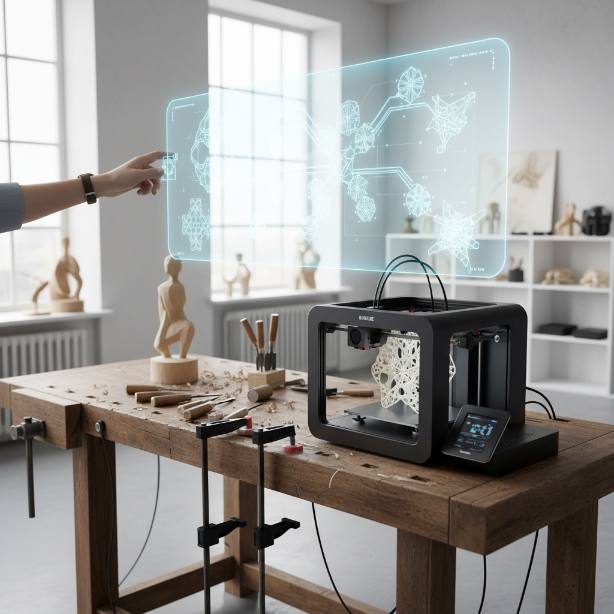
Preserving Gestures: Digital Archives, 3D Scanning, and Immersive Training

Reconciling Craft and Industry: Which Human Skills Remain Irreplaceable?
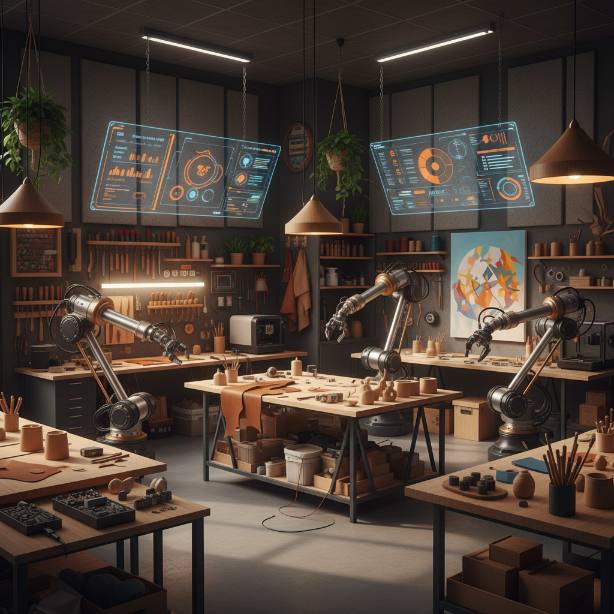
From Mass Production to Personalization: New Market Opportunities for Artisans in a Robotized World

The Threat to Rare Crafts and How Responsible Innovation Can Prevent Their Disappearance
Why Traditional Know-How Matters Environmentally
Many traditional craft processes developed in contexts where resources were limited. As a result, they often rely on low-impact, local, and repair-friendly approaches. These methods embody sustainable thinking long before the term existed. They prioritize long-lasting objects, efficient material use, and deep respect for natural resources.
In contrast, industrial systems rely heavily on extraction, mass consumption, and short product lifecycles, creating significant environmental challenges. The pressure to transition toward sustainable models has renewed interest in traditional methods as sources of ecological wisdom. By analyzing and preserving these approaches, modern designers gain access to valuable strategies that reduce waste, energy consumption, and environmental footprint. This alignment between ancestral practices and contemporary sustainability goals is one of the key reasons safeguarding know-how is so important today.
The Impact of Robotics and Automation on Traditional Skills
Robotics and automation introduce both opportunities and challenges for traditional know-how. On one hand, automated systems take over tasks that are repetitive, physically demanding, or potentially hazardous. This can improve working conditions for artisans and free time for higher-level creative work. On the other hand, automation can displace manual expertise if used without consideration for the value of human skills.
In many industries, the shift toward robotics has led to a decline in roles requiring traditional techniques. When a process becomes fully automated, there is little incentive for new generations to learn manual alternatives. The danger lies in over-automation: if every step of creation becomes optimized for speed and uniformity, the slow, intuitive, and expressive gestures of craftsmanship become invisible. This category aims to help readers understand how robotics and traditional know-how can coexist without forcing one to erase the other.
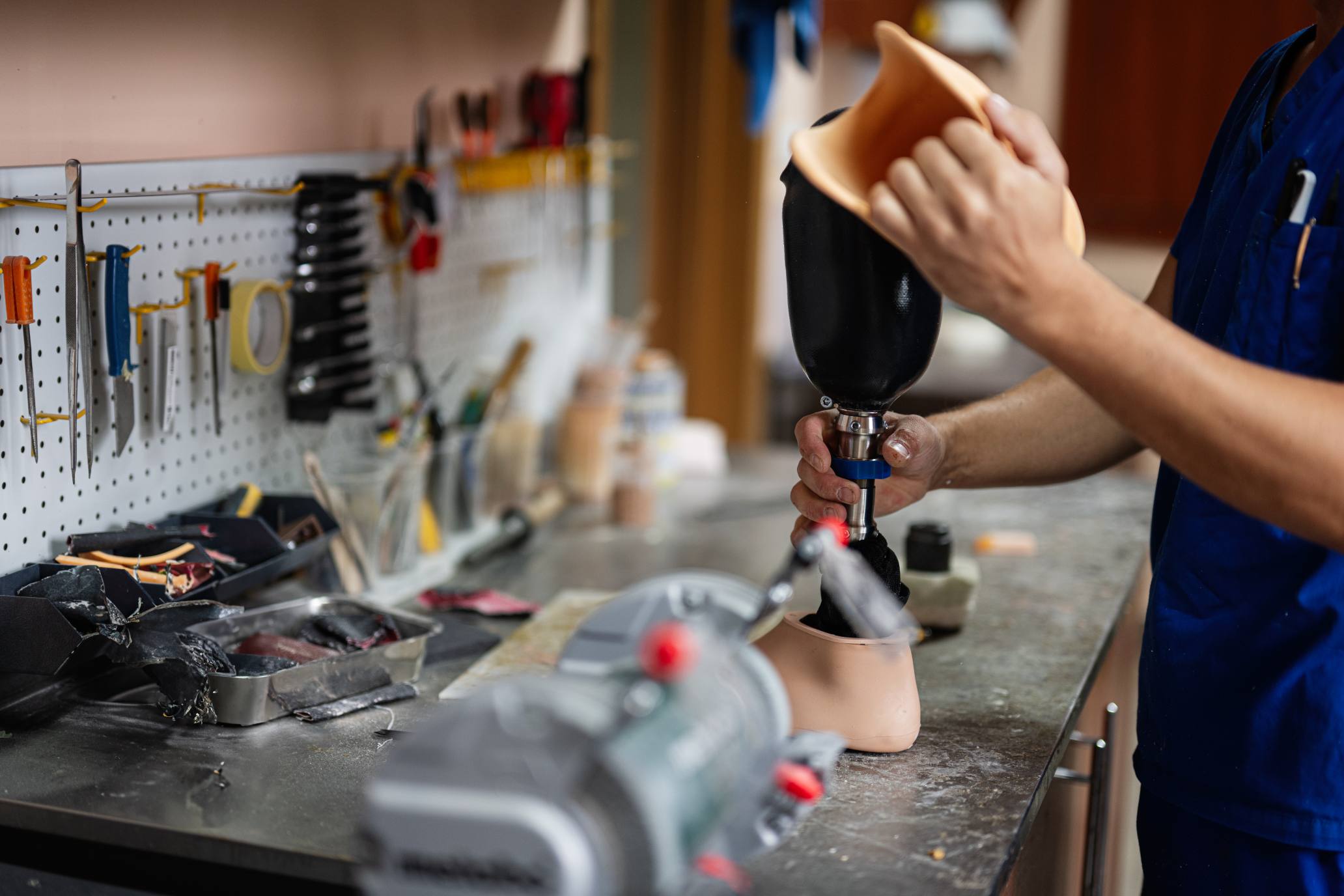
Responsible Innovation as a Tool for Preservation
Responsible innovation means using technology in ways that strengthen rather than replace human skills. It involves designing industrial and robotic systems that respect human creativity and preserve the value of manual knowledge. With the right approach, digital tools can protect endangered techniques and make them more accessible.
Digital archiving captures gestures, workflows, and material interactions with extraordinary precision, ensuring that knowledge is not lost even if practitioners retire. Immersive learning environments introduce beginners to complex gestures through virtual demonstrations and intuitive guidance. Hybrid manufacturing workflows keep craftsmanship central while using automation to support repetitive or precision-heavy tasks. These solutions demonstrate that innovation and preservation do not need to be opposing forces.
A Future Where Tradition and Technology Work Together
Safeguarding traditional know-how in an industrial and robotic age means building creative systems where human expertise remains essential. The continued existence of heritage techniques depends on intentional preservation, cultural respect, and thoughtful integration of modern tools. For beginners and intermediate creators, understanding this balance is vital.
It ensures that while exploring the advantages of automation and digital production, they remain aware of the irreplaceable value of traditional methods.
This category provides the foundation needed to explore how ancestral knowledge can evolve, interact with emerging technologies, and remain meaningful in a world where machines increasingly shape the future of creation.