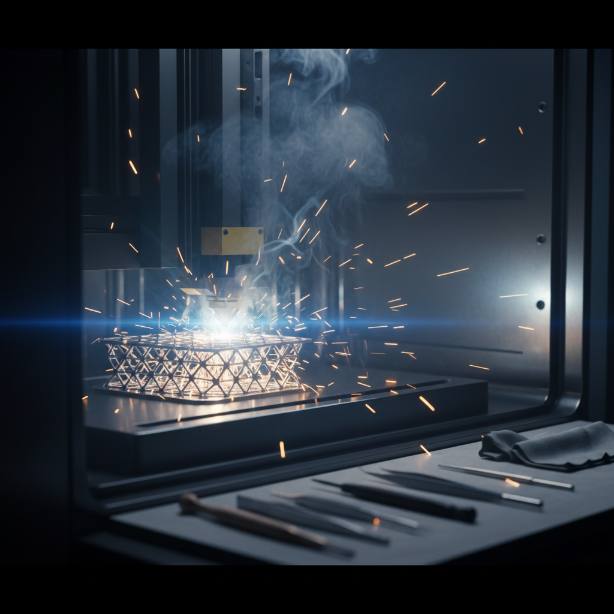
Introduction: Rethinking Sustainability in High-End Fabrication As additive manufacturing continues to transform industries from aerospace to luxury design, one area gaining particular attention is the use of 3D-printed noble materials—metals such as gold, silver,…
Wood, Ceramics, Metal
Printing Techniques for Noble Materials
Our Approach
Introduction: Expanding the Boundaries of Material-Based Creation
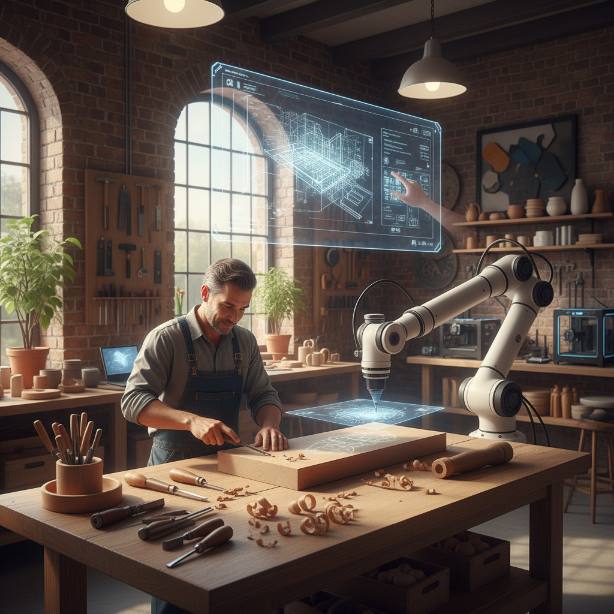
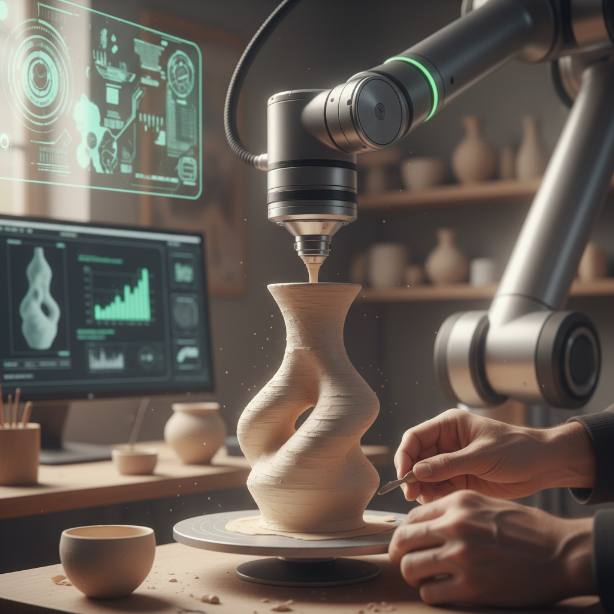
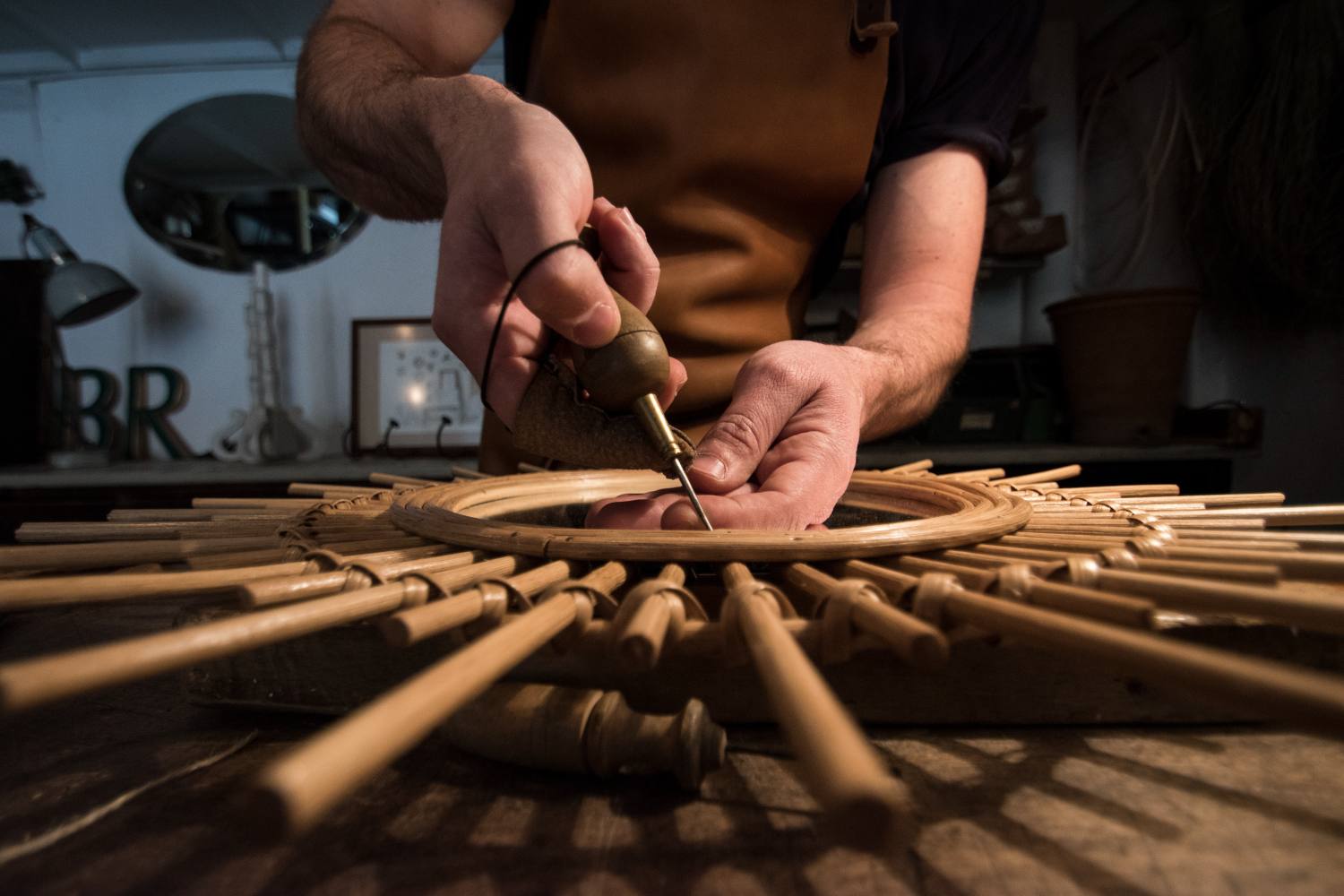
Printing techniques for noble materials such as wood, ceramics, and metal represent one of the most exciting developments in contemporary fabrication. These materials have long been associated with craftsmanship, cultural heritage, and artisanal mastery. Today, digital manufacturing makes it possible to reinterpret them through advanced processes that combine precision, creativity, and technological innovation. The shift from traditional hand-based methods to hybrid and digitally assisted workflows opens new opportunities for designers, makers, and creative studios who wish to explore noble materials in new forms. This category examines how these printing techniques work, why they matter, and how they support sustainable, innovative, and culturally rich forms of creation.
Metal Additive Manufacturing: A Revolution for Designers and Luxury Artisans
Introduction: When Craftsmanship Meets High-Tech Innovation Metal additive manufacturing—once reserved for aerospace and industrial engineering—has rapidly become a powerful tool for luxury designers, artisans, and high-end creators. This shift marks a turning point…
How Hybrid Crafting Works: A Step-by-Step Workflow
Every creator has a unique approach, but hybrid crafting typically follows a workflow that blends digital and manual processes seamlessly. 1. Digital Modeling The process begins with designing a digital model using: CAD software Blender or ZBrush for sculptural forms…
Ceramic 3D Printing: How Traditional Workshops Are Embracing Additive Manufacturing
Introduction: A Fusion of Craft and Technology For centuries, ceramic craftsmanship has relied on manual techniques—hand-building, wheel-throwing, slip casting, and kiln firing. These methods remain at the heart of the craft, but the rise of ceramic 3D printing is…
The Rise of Wood-Based Filaments: Limitations, Applications, and Craft-Like Finishes
Introduction: Why Wood-Based Filaments Are Gaining Popularity As 3D printing continues to expand beyond purely functional prototypes, creators increasingly seek materials that offer both performance and aesthetics. Among the growing family of composite filaments,…
Understanding the Emergence of Material-Based 3D Printing

The development of additive manufacturing has transformed the creative and industrial landscape by allowing materials to be shaped layer by layer. Initially, most 3D printing technologies were limited to plastics and resins, but rapid research and material science advancements have made it possible to work with more complex, historically significant materials. Wood-based filaments emerged as a response to the growing demand for natural textures and organic finishes. Ceramic printing took shape as a bridge between digital design and ancient clay-working traditions.
Metal printing brought engineering-grade strength and heritage-level durability into the realm of digital fabrication.
Each of these materials behaves differently, and their printing techniques require a deep understanding of both traditional craftsmanship and computational design. The complexity of these workflows highlights why dedicated educational resources and accessible guidance are essential for beginners and intermediate creators exploring noble-material printing for the first time.
Metal Printing and the Future of High-Performance Craft
Metal printing represents one of the most advanced branches of additive manufacturing, enabling the creation of intricate, durable, and high-performance components. Although often associated with industrial engineering and aerospace technologies, metal printing also plays a significant role in contemporary artistic and craft-based practices. Designers and metalsmiths can create forms that respect traditional aesthetics while leveraging the precision and internal complexity possible through digital design.
Metal additive manufacturing supports detailed textures, internal chambers, lightweight structures, and customized geometries that cannot be achieved through casting or forging alone. After printing, metal pieces undergo finishing steps such as polishing, brushing, patination, or even hand engraving. This combination of digital generation and artisanal surface treatment positions metal printing as a powerful tool for creators who seek to bridge engineering precision with high-level craft expression.
Why Printing Noble Materials Matters for Contemporary Creation
The integration of wood, ceramics, and metal into digital fabrication represents a major shift in creative possibilities. These techniques democratize access to noble materials by reducing the need for large workshops and specialized equipment. Beginners and intermediate creators benefit from the ability to experiment without the immediate pressure of mastering every traditional method. At the same time, printing noble materials reinforces the importance of craftsmanship by requiring artistic intention, material understanding, and thoughtful finishing.
These innovations also address the growing demand for personalization, sustainability, and cultural grounding. Printers allow on-demand production, avoiding waste associated with mass manufacturing. Many noble-material processes use recycled or natural materials, making them compatible with environmentally responsible practices. Most importantly, this bridge between digital methods and heritage materials encourages creators to explore deeper relationships between design, culture, and environmental stewardship.
Why Wood, Ceramics, and Metal Are Considered Noble Materials
Wood, ceramics, and metal have long held symbolic and functional value across cultures. Wood carries warmth, familiarity, and a direct connection to landscape and ecology. Ceramics represent some of humanity’s oldest forms of artistic and functional production, embodying both fragility and resilience. Metal techniques have shaped tools, decorative objects, and architectural elements for millennia, symbolizing strength, longevity, and technical sophistication.
These materials remain central to contemporary creative practices because they offer sensory richness, emotional resonance, and cultural depth that purely synthetic materials cannot match. Printing with them ensures that traditional values are preserved even as fabrication methods evolve. The ability to work with noble materials through digital systems also empowers new generations of creators to engage with heritage materials without requiring access to specialized workshops or decades of traditional training.
Wood-Based Printing and the Evolution of Natural Aesthetics
Wood-based printing has become increasingly popular due to its ability to blend organic textures with the flexibility of digital fabrication. Wood filaments, typically composed of recycled wood fibers mixed with polymer binders, allow creators to produce objects that retain the appearance and warmth of carved wood while benefiting from the precision of additive workflows. This method enables textures that resemble grain, carved surfaces, or layered finishes without the need for extensive woodworking tools.
For beginners, wood printing provides a gentle introduction to noble materials because it requires less technical complexity than ceramic or metal processes. Intermediate makers can push the boundaries further by experimenting with temperature variations, surface treatments, and hybrid finishing methods that create forms impossible to achieve through traditional carving alone. This evolution preserves the cultural identity of woodcraft while making it accessible in contemporary contexts.